September 28, 2026 · 6 min
What decides a walk-in tub installation cost
Two figures for the same tub can sit a long way apart and both be honest. The difference is the bathroom, and here is where it hides.
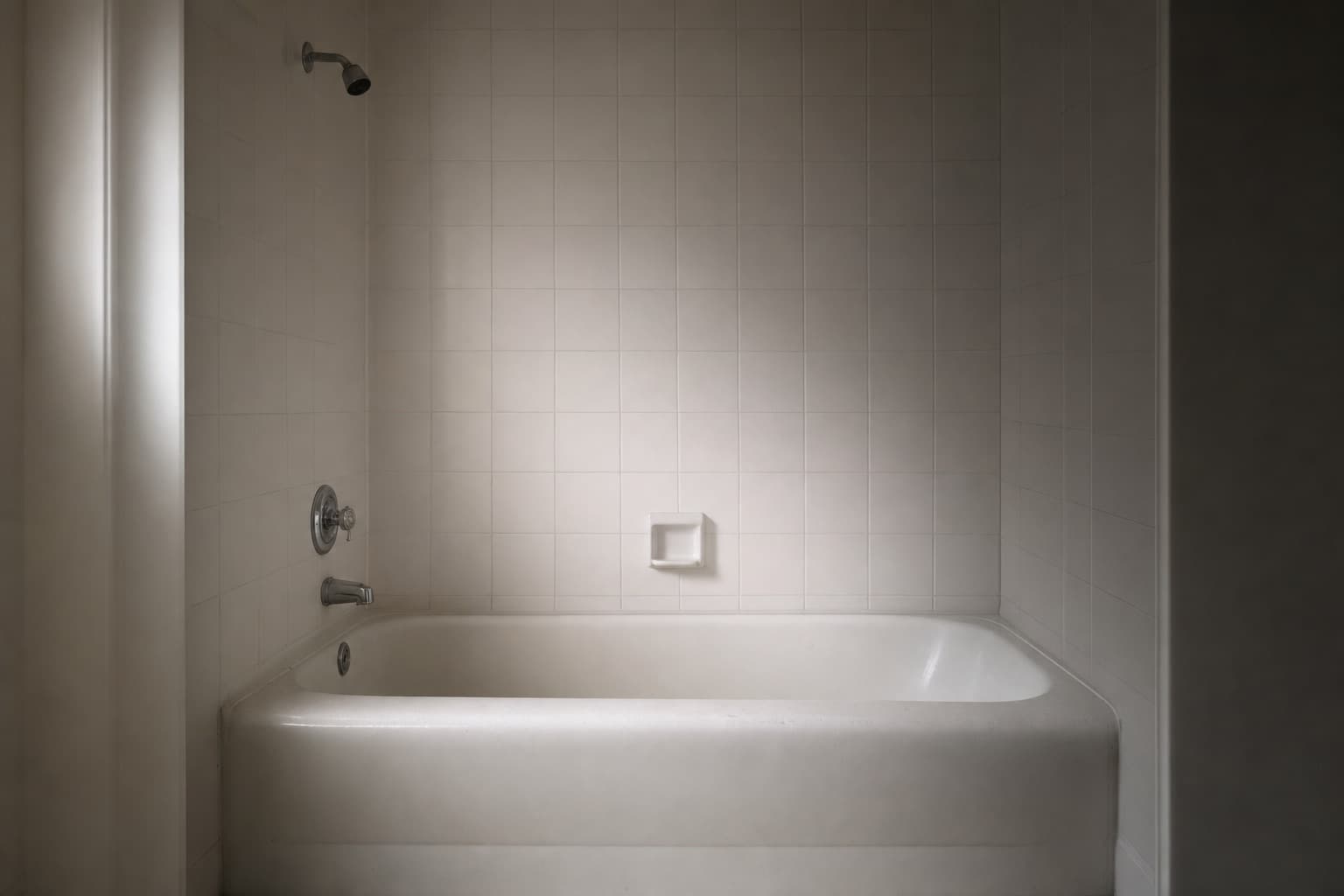
Two thousand nine hundred searches a month ask what the installation costs, and every page that answers with a range has already made a mistake on the reader’s behalf. A range is a summary of other people’s bathrooms. Yours is one bathroom, and the figure for it is decided by a short list of things that can each be looked at in an afternoon. We give no number here, for the reason set out at the end. What we can do is name the list.
The tub that is there now, and the wall above it
A steel or acrylic tub comes out in one piece. A cast iron tub is broken up where it stands, which takes longer, makes more mess and needs the room protected. The wall finish above the old flange has to be cut back to get the tub out, and what happens next depends on what that finish is: a fibreglass surround is removed and replaced, a tiled wall is cut at a line and retiled from it, and a tiled wall on a wet backing board is rebuilt from the studs. The same product drops into three different jobs depending on which of those three walls it meets.
Where the drain is, and where the new tub wants it
Walk-in tubs drain at one end. If the existing drain sits under that end, the connection is a fitting. If it sits under the other end, the floor is opened, the trap is moved and the pipe is re-run to the new position, which is plumbing work, sometimes inspected plumbing work, and it is the single most common reason two quotes for the same tub differ. It is invisible from the brochure and from a photograph, and it is the first thing we look at on a visit.
The water heater
A walk-in tub is deeper than a standard tub and the person is sitting in it while it fills, so the volume of hot water it wants is larger and it wants it all at once. A heater that has been adequate for showers may fill the new tub lukewarm, and the choices at that point are a larger tank, a different kind of heater, or a tub with its own inline heater, each of which is a separate line on the quote and none of which the tub’s price list mentions. The heater’s capacity and age are read off its label on the visit, which is one reason the visit matters, as the article on the installation sequence explains.
Electrical, if the tub has a pump or a heater
Jets, an inline heater and a heated seat each need power, and together they need a dedicated circuit with ground-fault protection. What that costs depends on the distance from the panel to the bathroom, whether the panel has room for another breaker, and whether the route between them is an open basement ceiling or a finished wall. A soaker with no pump needs none of this, which is worth knowing before the options are chosen: the price of an option is not only the price of the option.
Getting the unit into the room
The tub arrives rigid and assembled. It has to pass the front door, any stairs, the hallway turn and the bathroom door, and the bathroom door is the usual problem. Where it does not pass, the door and its frame come off, or the unit is chosen for the opening rather than for the alcove, or the opening is widened, which is a job of its own described in the article on measuring the doorway first. Delivery to an upper floor, a narrow staircase or a house with no straight run from the street all appear on the quote as labour, and none of them appear in an online range.
Everything else that is genuinely local
Whether a permit is required and inspected, the disposal of a cast iron tub, the extension panel or built ledge that closes the gap a shorter unit leaves in the alcove, and the finish of the walls once they are closed. These are smaller items, and they are the ones that separate an honest itemised quote from a single figure, because they can be seen and questioned one by one. The full set, across every kind of bathroom work, is laid out on the cost factors page.
Why the ranges you have read mislead
A published range averages a job where the drain was already in the right place with a job where the floor was opened, a house with a spare breaker with a house that needed a panel upgrade, and a ground-floor alcove with a third-floor walk-up. The average of those is a figure that belongs to no house. Worse, a manufacturer’s price sold as including installation includes a fixed allowance for an ideal alcove, and the moment the drain is at the wrong end the allowance has been spent and the rest is an extra. That is why our number arrives after the visit, itemised, and why the cost page explains the same list instead of quoting one.
A figure for your alcove, after we have seen it
We look at the tub, the drain, the heater and the panel before writing a number, because each of them can change it.