September 18, 2026 · 6 min
Remodeling a walk-in shower: the tile is a symptom, the membrane is the question
A shower gets remodeled because it leaks, because it no longer suits the person using it, or because it looks its age. Only one of those is about tile.
Advertisers pay $24.71 for this click, which is contractor money, not decoration money, and it tells you what the search usually means: a shower that already exists and no longer serves. Before any showroom visit, it is worth being clear about which of the three reasons for a remodel applies, because they lead to three different jobs.
The three reasons showers get remodeled
It leaks, or something near it is soft, stained or smells damp. It no longer suits the person using it: a curb that has become an obstacle, no seat, controls in the wrong place, which is where measuring the room against one person starts. Or it is simply dated. The first reason is a repair wearing a remodel’s clothes. The second is a layout change. Only the third is actually about surfaces, and it is the rarest of the three to arrive on its own.
If it leaks, the tile is not the problem
Tile is not waterproof and grout is not waterproof; the membrane underneath is what keeps water out of the structure, and the waterproofing is the part that fails. A shower that leaks has a membrane problem, a drain seal problem or a movement joint problem, and regrouting over any of those buys a season, not a fix. A remodel motivated by a leak goes back to the substrate by definition, because the failed layer is the bottom one.
Back to the studs, or a resurface: the honest fork
There are two legitimate versions of this work. A full remodel strips to framing and subfloor and rebuilds slope, membrane and finish, and it is the only version that fixes what is underneath. A resurface fits panels or new finish over what is there, and where the substrate is genuinely sound and dry it is a defensible economy. Fitting a resurface over a wet history is neither: it seals the problem in, with the same logic that applies to kits over unexamined floors.
The remodel is the moment to fix the first build
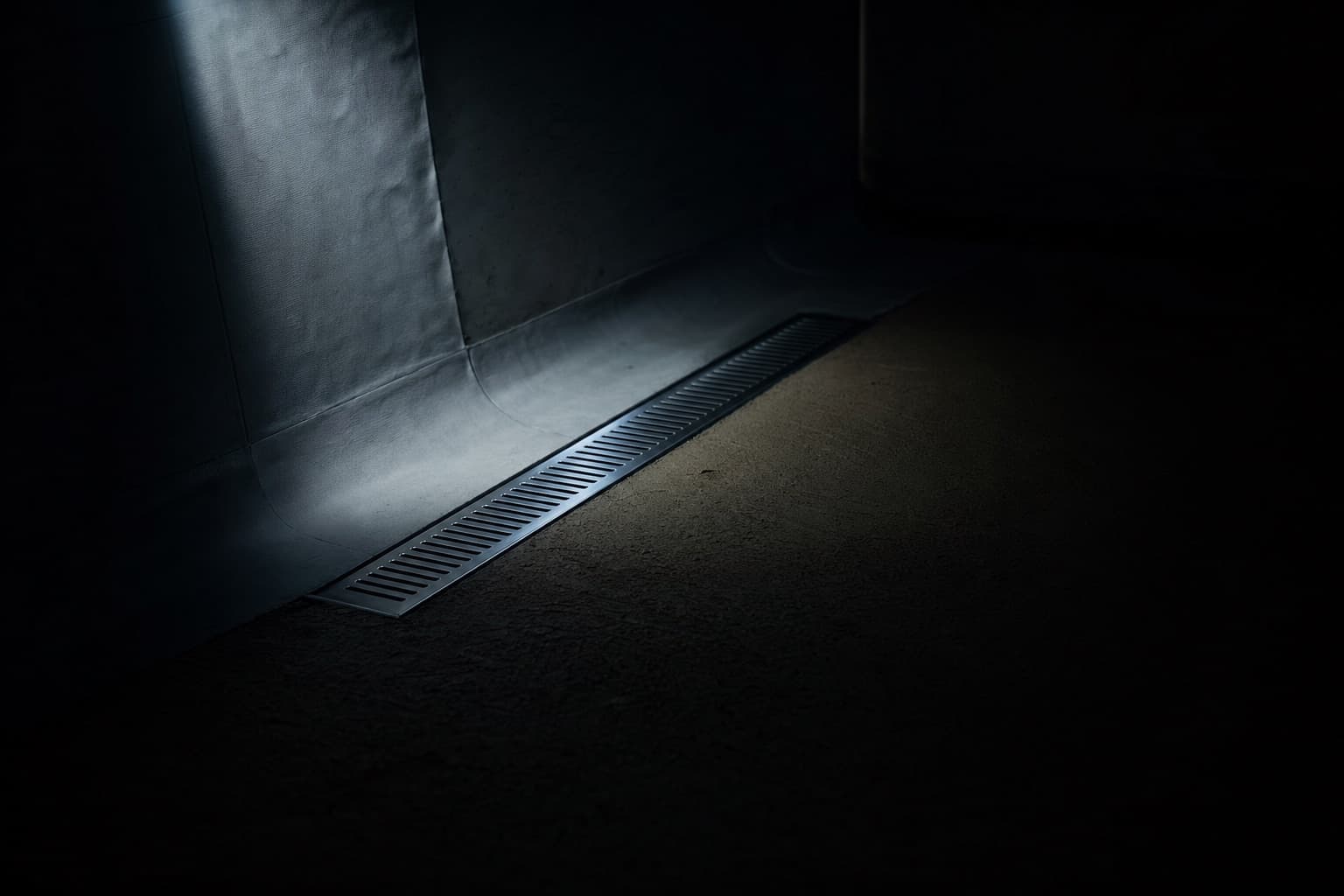
Once the shower is open, changes that were impossible last week become incidental. The curb can go, if the floor allows the recess described on the shower conversion page. The drain can move to a linear position, which is the first of the ideas that survive year ten. Blocking for a seat and for grab bars goes into the open wall in minutes. This is also the moment to move the controls toward the entry, so the water can be started from outside the spray. A remodel that reproduces the old shower in new tile has spent the opening, which is the expensive part, on nothing.
What opening an old shower uncovers
Wet walls hide their history. Behind decades-old tile there may be paper-faced board that was never meant for a wet area, framing darkened where a corner seal gave up, or a slope built without a membrane at all, all of it common and none of it visible before demolition. None of it is unusual and none of it is a catastrophe, but all of it is work that no honest bid could have included sight unseen. A quote should therefore say in advance how such discoveries are documented, priced and approved, in writing, before the first tile comes off. A firm with no stated method for changes will improvise one on the day, and improvised terms are never written in the customer’s favour.
How to have a remodel quoted
Itemised, after a visit, with the waterproofing system named and a flood test before tiling, and with the resurface option priced honestly against the rebuild if both are defensible. The variables behind the number are the ones on the cost factors page, and the fastest sorting question remains the same: what keeps the water out of my floor, and how will you prove it before you tile?
Have the old shower diagnosed before it is redesigned
We open a small inspection point before writing anything. What is behind the tile decides the remodel, and guessing at it is how remodels go wrong.